For one weekend each year, the ancient county town of Bodmin throws open its streets to a festival so old that even its origins are lost to time – and so vivid that it stops traffic, draws crowds, and conjures a medieval atmosphere like almost nothing else in the south-west.
Bodmin Riding & Heritage Festival takes place on the first weekend of July, and in 2026 that means the festivities kick off on Friday 3 July, with the heart of the celebration on Saturday 4 July.
The earliest written record of Bodmin Riding dates to 1469, when it appeared in the accounts for the rebuilding of Bodmin Parish Church. But even then, it was described as an established custom, suggesting its roots stretch back further still, possibly into the early medieval period.
At its heart, the festival commemorates one of the more dramatic episodes in Bodmin’s long history: the theft of the bones of St Petroc in 1177, when the relics of the town’s patron saint were spirited away to Brittany, before being recovered and triumphantly returned. The procession of St Petroc’s casket, which still survives in St Petroc’s Church, remains a central element of the festival to this day.
Nobody knows when or why Bodmin Riding began. It was an ancient event in 1469 — the first time it was recorded on paper.
Over the centuries, the festival grew to include sports and horseracing, Cornish wrestling, a grand ball, civic feasting, and the Riding Ale – a tradition of communal drinking that remains part of the weekend. The custom faded in the early 19th century, with the last traditional Riding thought to have been held around 1825 but was revived in 1974 and has since developed into the lively event it is today.
 What happens on the day
The weekend begins on the Friday evening with a shared feast – local food and drink, live music, and the ritual Riding Ale, gathering the community in anticipation of the celebrations ahead. On Saturday, the town centre closes to traffic and the streets come alive.
The traditional procession is one of the day’s highlights: led by Bodmin Town Band, with local children performing the furry dance to the centuries-old Riding Tune – a melody first recorded in 1770 under the title Captain Brown’s March.
Attendees are encouraged to come in medieval costume, and many do, lending the streets a fun and chaotic atmosphere. Alongside the procession, you’ll find craft stalls, local artisans and businesses, historical re-enactments, live music, and plenty of children’s activities. It’s a full day out for families and history enthusiasts alike.
No account of the Bodmin Riding festival is complete without mention of its most theatrical element – the Hunting and Trial of the Beast of Bodmin. The Beast, depicted as a large, shaggy, panther-like creature, is pursued through the town by hunters known as “helliers”, before being dramatically captured and put on trial outside the historic Shire Hall.
The Beast tradition links to real-life folklore – in the 1980s and 1990s, Bodmin Moor was the site of numerous reported sightings of a large wild cat, and the legend has never quite gone away. The festival’s mock trial gives it a suitably Cornish twist, part street theatre, part ancient ritual, and very memorable.
Beyond the spectacle, Bodmin Riding is something rarer – a genuinely community-owned festival, run by local volunteers and shaped by local people. It commemorates not just the bones of St Petroc, but also the Cornish Prayer Book Rebellion of 1549 – when Cornish men and women took up arms to defend their language and religious traditions – and the hanging of Mayor Nicholas Bowyer, a figure woven into the town’s civic memory.
Like Padstow’s famous May Day celebrations, Bodmin Riding is a reminder that Cornwall has a living tradition of festival culture stretching back centuries – one that belongs to the people who take part in it.
With thanks to the Bodmin Camera Club for the images from the 2019 festival.
One of Cornwall’s best-loved visitor attractions invited locals, families and railway enthusiasts to join a special anniversary event celebrating four decades of preserved steam on the historic Bodmin branch line.
Bodmin Railway celebrated a milestone 40th anniversary with a special celebration event on Sunday 31 May 2026, marking four decades since the first authorised train movements of the preservation era took place at Bodmin General Station in 1986.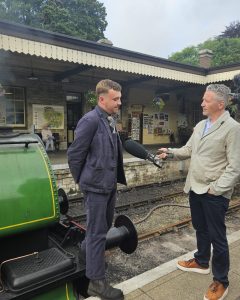
The anniversary celebration brought together live music, heritage vehicles and the timeless spectacle of working steam, offering visitors of all ages the chance to mark a moment in Cornish railway history.
A Line Rooted in Cornwall’s History
The story of the Bodmin branch line stretches back almost two centuries. The Bodmin & Wadebridge Railway first opened in 1834 and was one of the very first in the world to use steam, initially transporting minerals and agricultural sea sand. The line that visitors travel today — between Bodmin Parkway and Boscarne Junction via Bodmin General — has its roots in the 1887 opening of the Bodmin Road (now Bodmin Parkway) to Bodmin section, followed by the extension to Boscarne Junction in 1888.
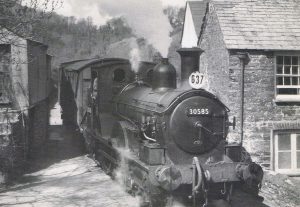
For much of the twentieth century, the line played a vital role in Cornwall’s China Clay industry. Steam hauled passenger trains between Padstow and Bodmin ended in 1963, while freight traffic continued running between Bodmin Road and Wadebridge until 1978, and the china clay trains kept the line to Wenfordbridge alive until complete closure in 1983. It was the determination of local volunteers that would change everything.
The Bodmin Railway Preservation Society was formed in 1984, and the first Open Day — featuring shunting demonstrations by a small steam locomotive at Bodmin General Station — took place on Sunday 1 June 1986. Those first movements marked the beginning of a remarkable chapter. Regular services between Bodmin Parkway and Bodmin General were restored in 1990, with the line extended back to Boscarne Junction in 1996. Today, Bodmin Railway operates over 6½ miles of heritage track, firmly establishing itself as one of the country’s finest steam railways.
The 40th anniversary celebration on Sunday 31 May was a day of entertainment, nostalgia and community spirit. Highlights included:
Onboard and platform performances by the award winning Loveny Male Voice Choir
Meet & greets with Richard Trevithick actors celebrating the Cornish pioneer of steam
A display of vintage cars alongside the heritage locomotives and carriages
Indian Queens Brass Band
A special Rover Ticket allowing unlimited hop-on, hop-off travel throughout the day
Visitors were able to explore the charming Victorian station at Bodmin General, visit the Wagon Bar and station café serving local coffee, Cornish pasties, cream teas and more, and take the opportunity to chat with the knowledgeable team of volunteers who keep this remarkable railway running.
And BBC Spotlight came along to cover the event! With thanks to Bodmin Railway for the photos used in this article.
“We are incredibly proud to play our part in preserving the legacy of this incredible line that played such an important role in Cornwall’s history, keeping it alive for future generations. This promises to be a fantastic day for enthusiasts, locals and visitors alike.”
Chris Hatton, Operations Manager, Bodmin Railway
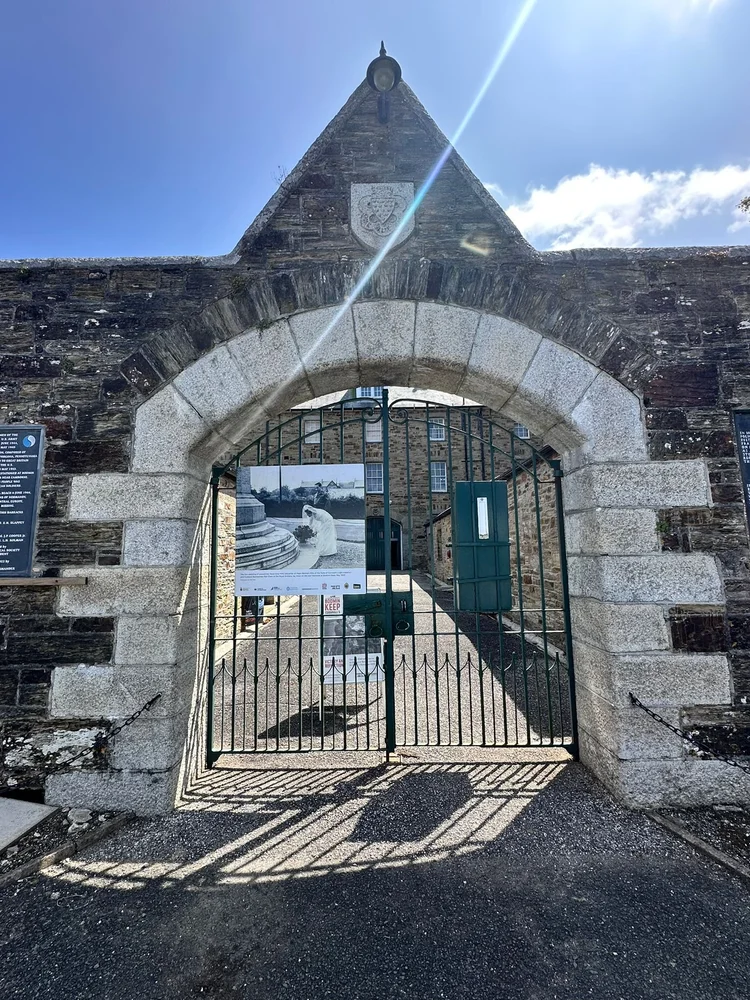
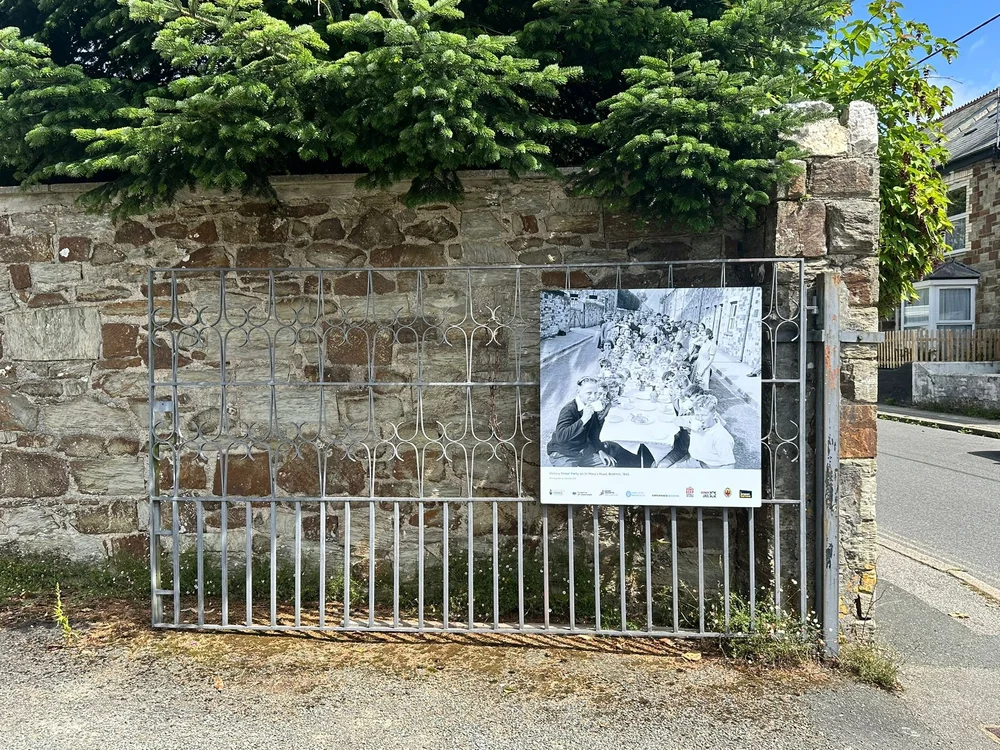
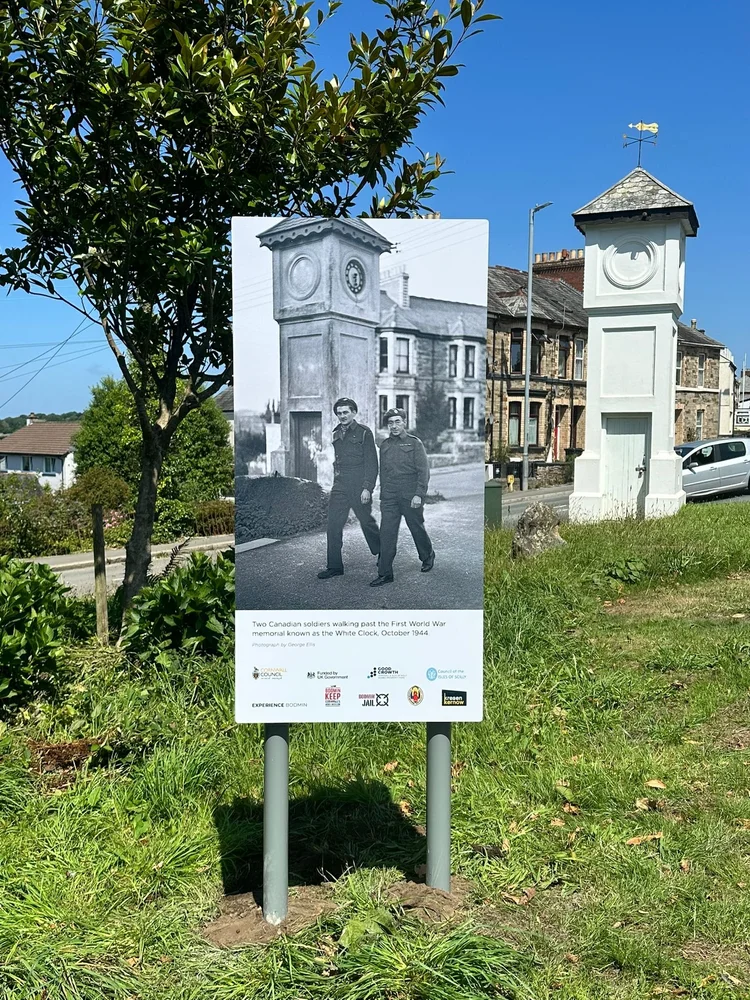
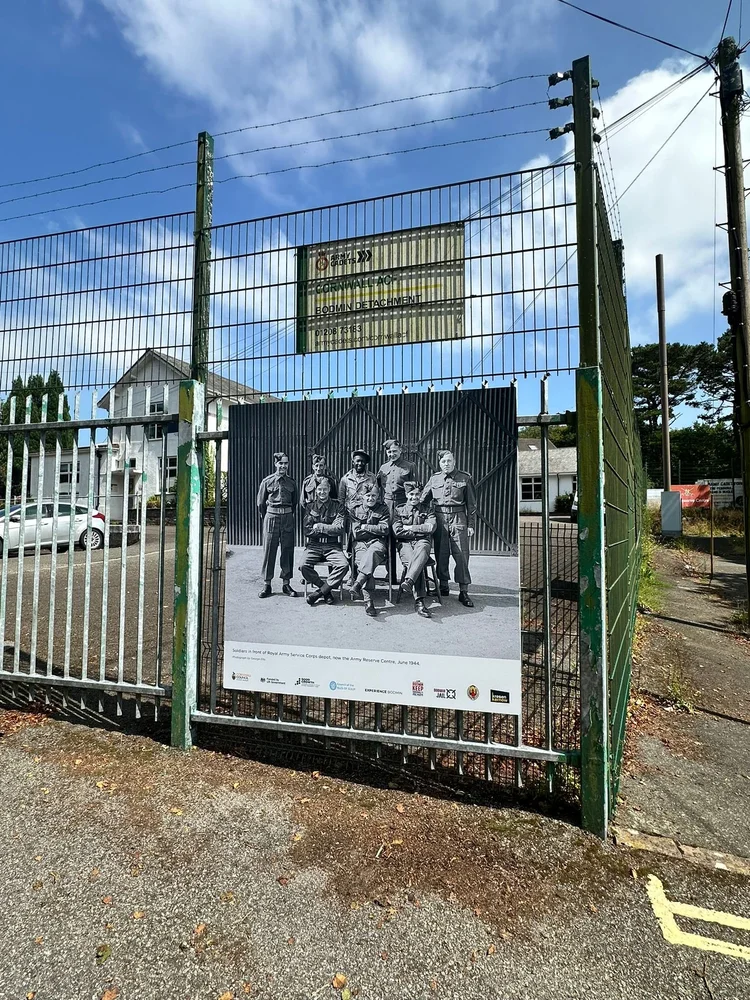
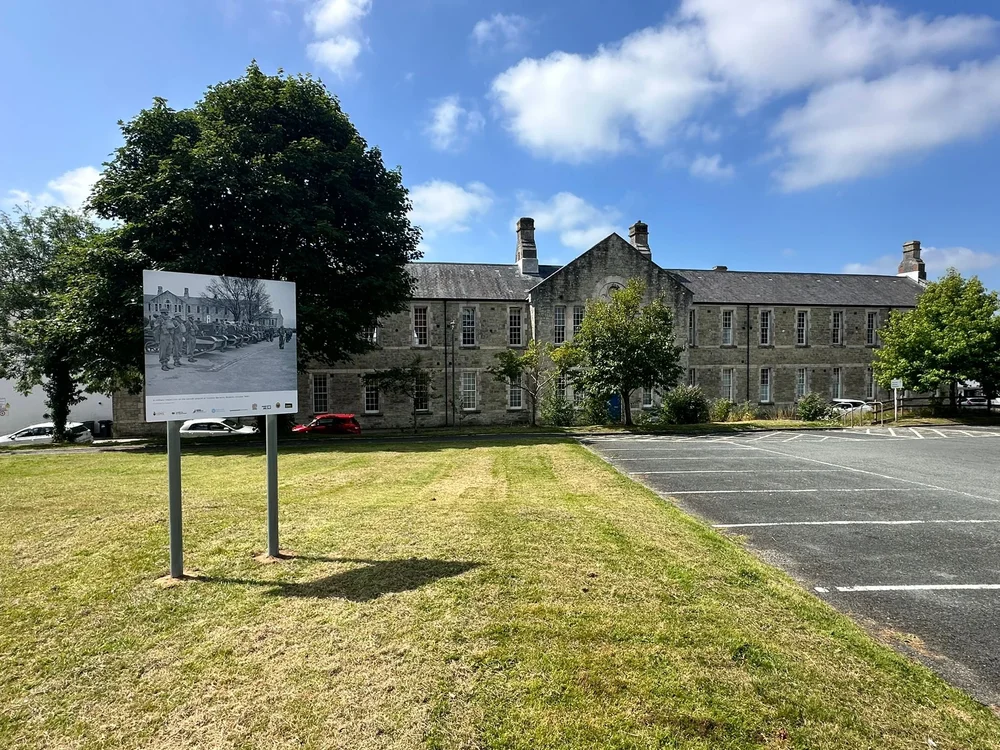
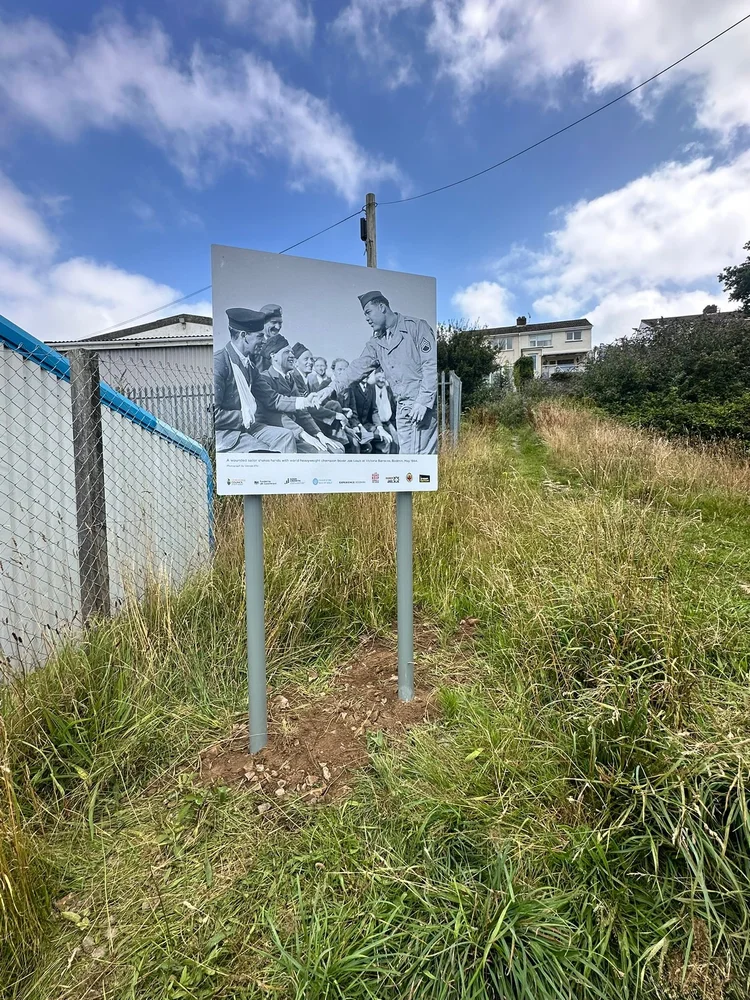
To mark the 80th anniversary of Victory in Europe Day, Bodmin Keep – Cornwall’s Army Museum in partnership with Experience Bodmin, Bodmin Town Council and Bodmin Jail, is proud to announce the launch of the VE80 Photography Trail, a town-wide exhibition that brings to life Bodmin’s powerful wartime legacy through the lens of celebrated photographer George Ellis.
The VE80 Photography Trail showcases a curated selection of wartime images taken by Ellis, a London-born freelance press photographer who moved to Bodmin in 1939. The trail also includes a wedding photo taken by Alan Date – a chemist who owned a pharmacy on Honey Street in the 1930s and 40s – who like Ellis, captured many photographs of wartime Bodmin.
Known for his evocative and human-centred photography, Ellis documented life on the Home Front, including Land Girls, evacuee children, and the daily interactions between locals and the British, Commonwealth, and American troops stationed in town.
Once a thriving garrison town, Bodmin played a key role in the UK’s Second World War efforts. From 1939, over 2,000 troops were housed and trained at Bodmin Keep, Walker Lines, and Coldharbour Farm. In 1943, Bodmin Keep was handed over to the US 29th Infantry Division as American GIs prepared for the D-Day landings.
Each photograph in the trail is displayed where it was originally taken, offering a unique “then and now” experience and inviting reflection on how the community — and its resilience — have evolved over time.
The trail will run until Remembrance Sunday, reinforcing the town’s long-standing commitment to honouring service and sacrifice.
Councillor Leigh Frost, Cornwall Councillor Leader and local member for Bodmin St Petroc, said: “The trail is a great addition to Bodmin and offers a new to way explore the town through a different lens. Residents and visitors alike will be able to discover and learn more about the town’s history.”
Helen Bishop-Stephens, Director of Bodmin Keep-Cornwall’s Army Museum, said: “This project reminds us of the vibrancy and diversity of wartime Bodmin. It highlights the contributions of so many — including pioneering Black American GIs and local women in uniform — and we hope it inspires pride and renewed interest in our town’s extraordinary past. This is particularly poignant as right now Cornwall’s Army Museum, housed at Bodmin Keep, is closed and fighting to secure its future. Without the museum, this and countless other stories about Cornwall’s Army history will be lost.”
The entire George Ellis collection, comprising over 90,000 images, is held at Kresen Kernow.
The trail has been possible thanks to the Experience project, run by Cornwall Council, which received funding from the UK Shared Prosperity Fund through the Cornwall and Isles of Scilly Good Growth Programme.
The Experience project aims to enhance visitors’ experience and support local businesses. The project in Bodmin focuses on boosting tourism and economic growth, by promoting unique and sustainable cultural and low-carbon experiences.
Key partners in the town – including the Town Council and major venues and attractions in Bodmin – are collaborating with Experience to develop a marketing campaign for the town, helping to raise awareness of Bodmin as an important destination in its own right.
For full information on the V80 Photography Trail, go to: VE80 Photography Trail – Bodmin Keep: Cornwall’s Army Museum.