
Strange, tragic, and gory, there’s a darker side to Bodmin’s story. Where the walls hold memories and mist creeps over the moor, there’s a thrill to be found by digging deeper.
From ghostly footfalls to legendary beasts, Bodmin has some wild tales to tell. These dark histories cast an intriguing shadow on local landmarks. Beneath the stones and behind the doors of our imposing buildings, you’ll find secrets lurking. The eerie and uncanny are just another dimension of Bodmin’s character.
This place has stood through centuries of change and conflict, from the Dissolution of the Monasteries and the Civil War, to famous trials and public executions. So, it’s no surprise that Bodmin is reportedly home to some of Cornwall’s most haunted locations.
In one day (and maybe even a night), you can take in a cluster of notorious spots. Whether you believe in ghosts or prefer to stay sceptical, these places conjure atmospheric and evocative stories of Bodmin’s past. A walk to the Shire Hall on Mount Folly Square will take you to the site of the town’s most infamous courtroom dramas. Here, in 1844, local farm worker Matthew Weekes was accused of killing 18-year-old Charlotte Dymond on Bodmin Moor. The crime, and the trial held in this building, prompted a surge of public interest, which reached its peak when Weekes was found guilty and sentenced to death. You can follow his fatal route by walking from the former court to nearby Bodmin Jail, where Weekes was taken to be imprisoned and hanged. A memorial to Charlotte Dymond now stands on the edge of Roughtor, on Bodmin Moor.
Today, the ghost of Matthew Weekes is rumoured to reside in Bodmin Jail, protesting his innocence. But he’s certainly not the only one. The site’s troubled past saw many people arrive, destined never to leave. They include Sarah Polgrean, who murdered her husband with arsenic, and the highway robbers-turned-killers James and William Lightfoot. In fact, the jail is considered so haunted that you can join dedicated ghost experiences – including lantern-lit storytelling tours and overnight paranormal investigations.
Further afield, at Lanhydrock, resident ghosts are said to include a lady dressed in grey, who has been seen in the long gallery – one of the only parts of the original 17th century house to survive a disastrous fire. And, if you smell cigars in the smoking room, there’s a chance this has a spectral source. Others have reported the same scent over the years, too.
Spend a day:
For centuries, the vast and lonely expanse of Bodmin Moor has captivated storytellers. It was here, during her twenties, that the author Daphne du Maurier became hopelessly lost while exploring with a friend. She’d later write that ‘In a moment all was desolation.’ They sheltered from the rain in an abandoned cottage, crossed a ghostly railway line (which she’d never be able to find again), and let their horses eventually lead them towards the ‘gaunt chimneys’ of Jamaica Inn. The eerie memory sparked the creation of her future novel, also named Jamaica Inn, years later.
But Du Maurier wasn’t the only figure to wander through this place. People have lived and worked on the moor since prehistoric times, leaving their traces in stone circles and long-sealed tombs. Trethevy Quoit, for instance, was constructed to house remains during the Neolithic period. The naming of King Arthur’s Hall, an ancient ceremonial site, hints at the figure of this legendary king stalking the moors. According to stories, nearby Dozmary Pool is where his sword, Excalibur, was returned to the Lady of the Lake.
Dozmary Pool is also associated with another Cornish ghost story – the tale of Jan Tregeagle. Versions vary, but it’s popularly told that in the 17th century, Tregeagle pursued a dark path, bargaining away his soul in a pact with the Devil. After his death, he was condemned to empty the waters of Dozmary Pool with a limpet shell – a task that causes such misery, he haunts the moor for eternity. Other shadowy figures include a White Lady, said to wander through the moorland village of Altarnun, and the ghostly spirit of a druid who offers drinks from a golden cup near Rillaton Barrow.
However, it’s not just ghosts that are linked to the landscape here. During the 1990s, the British Government officially investigated sightings of “the Beast of Bodmin Moor”. This large, black, panther-like animal may be the stuff of legend, but some believe it really is a species of wild cat, or an escaped or released creature that lived on the moor. Others point to a paranormal explanation, like a phantom cat. The nineties investigation didn’t find any concrete proof of the so-called beast’s existence – but neither could it rule it out.
Spend a day:
Take a walk through Bodmin and you’ll find its streets telling stories in bold colour and striking detail and moments captured in time. A series of new murals are bringing the town’s heritage, culture and wildlife to life in unexpected places – why not take a wander and see these new additions to Bodmin’s streets?
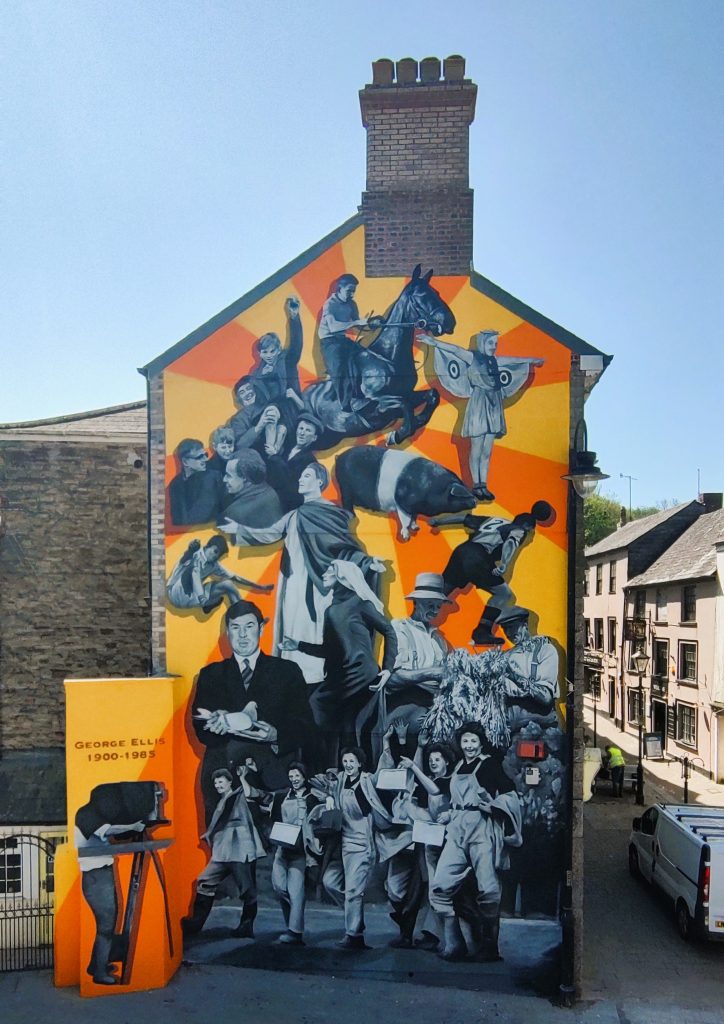
A town in motion: Honey Street
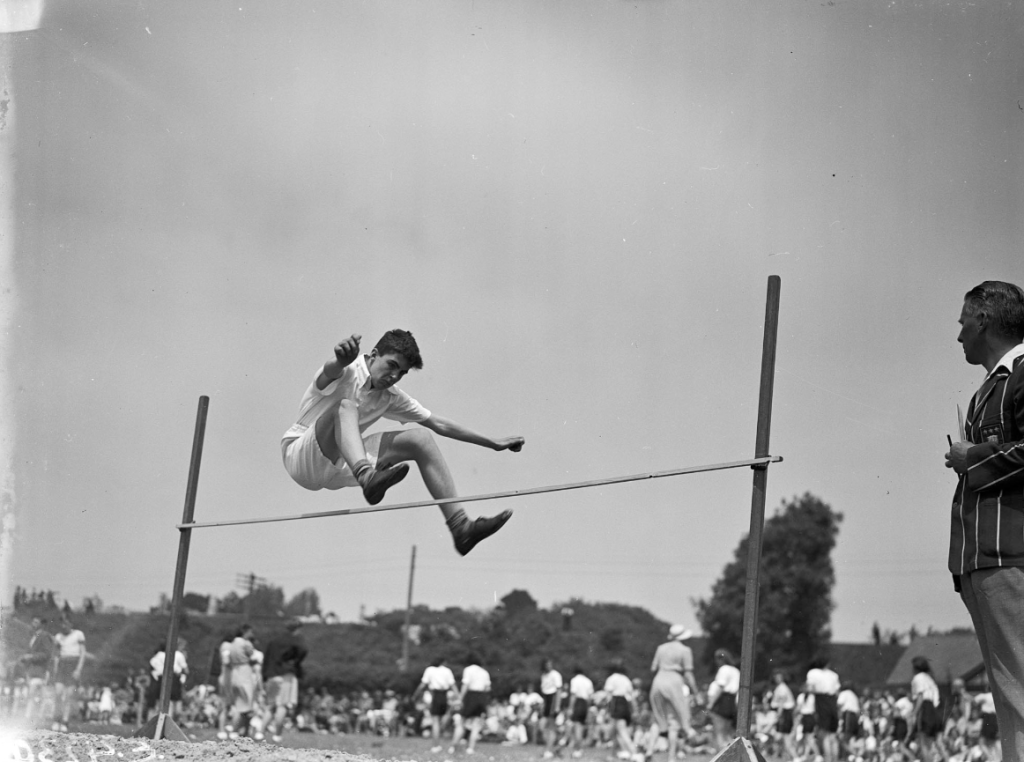
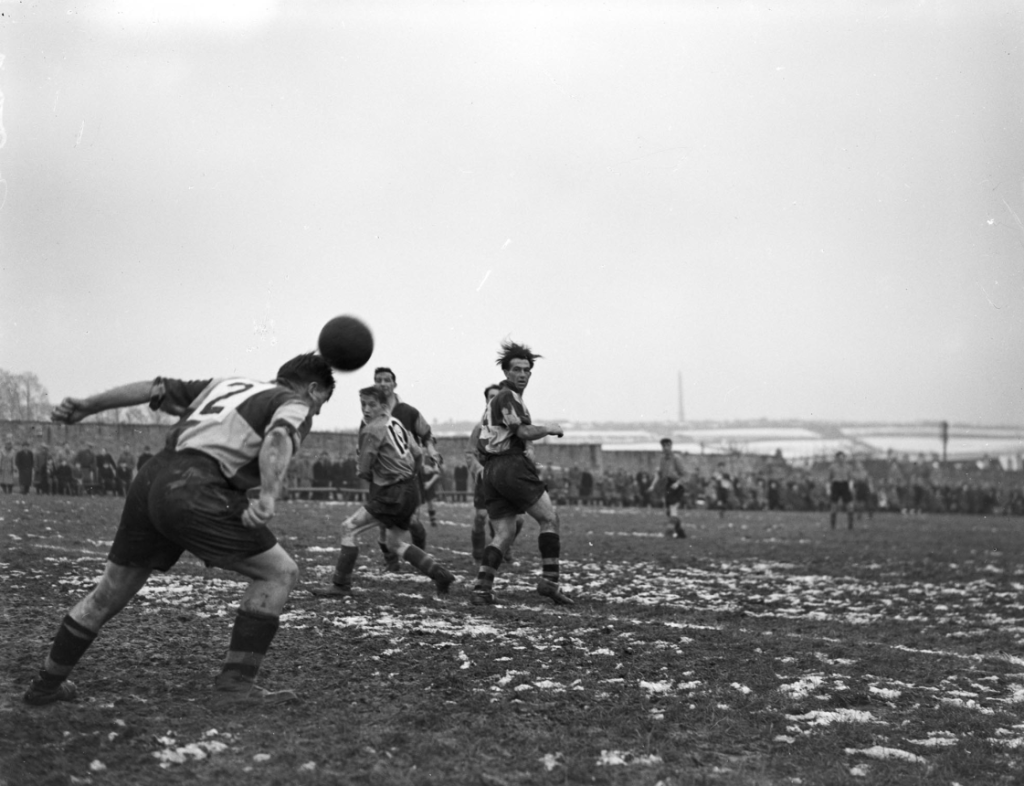
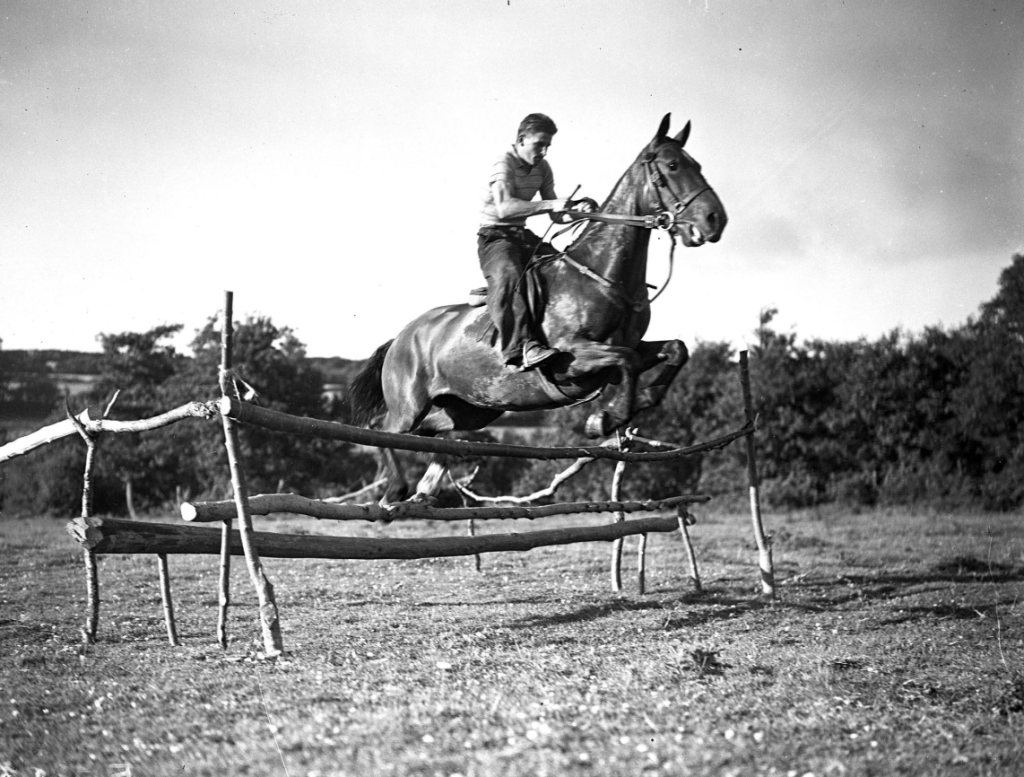
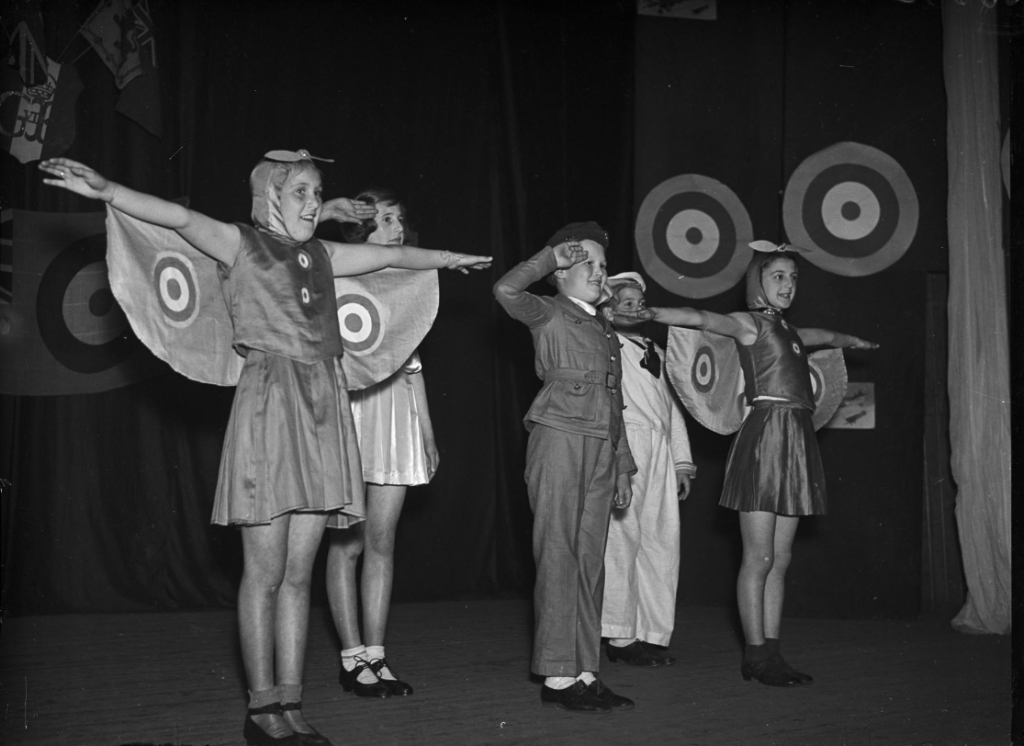
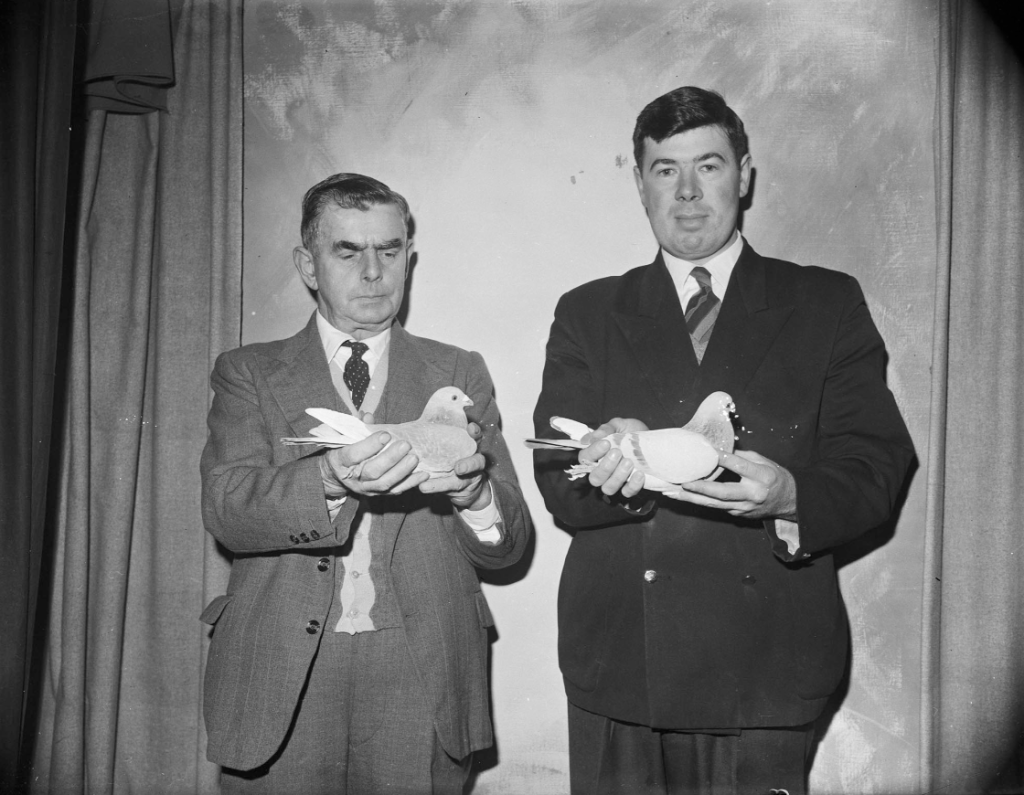
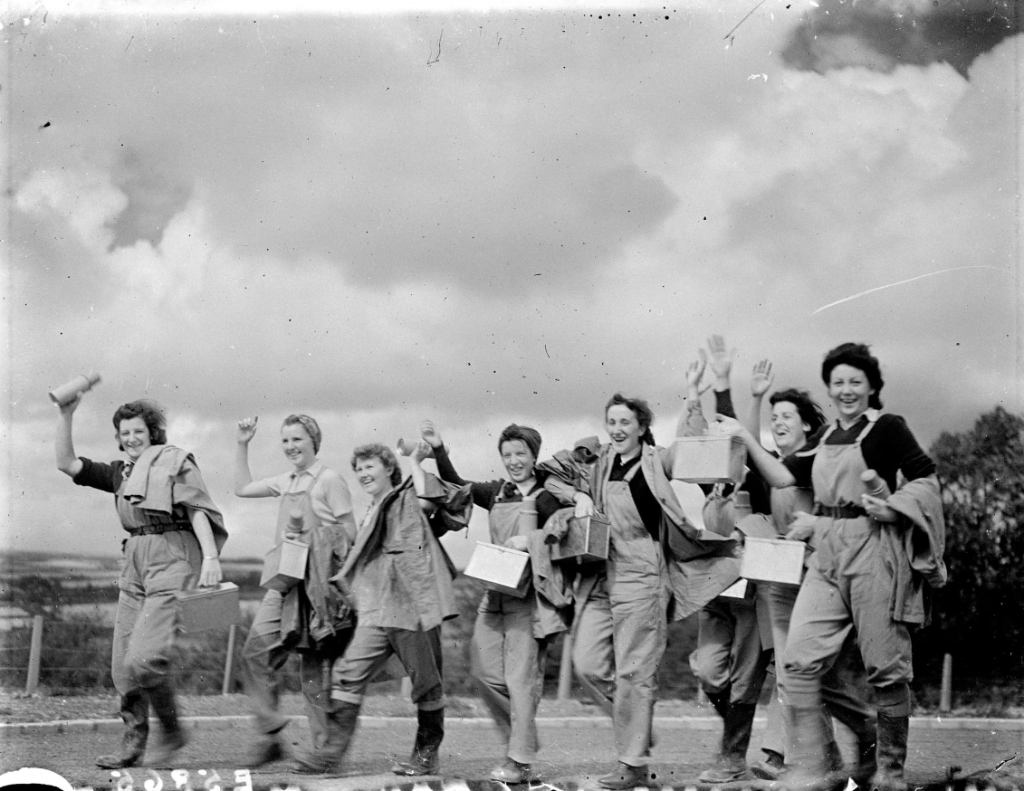
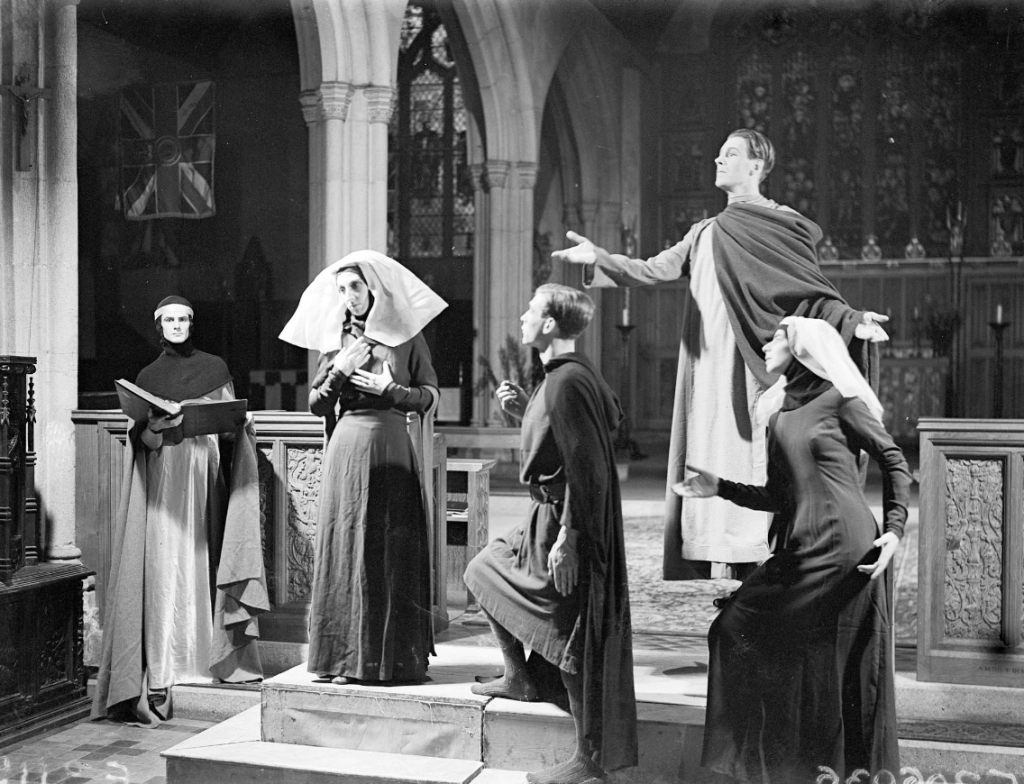
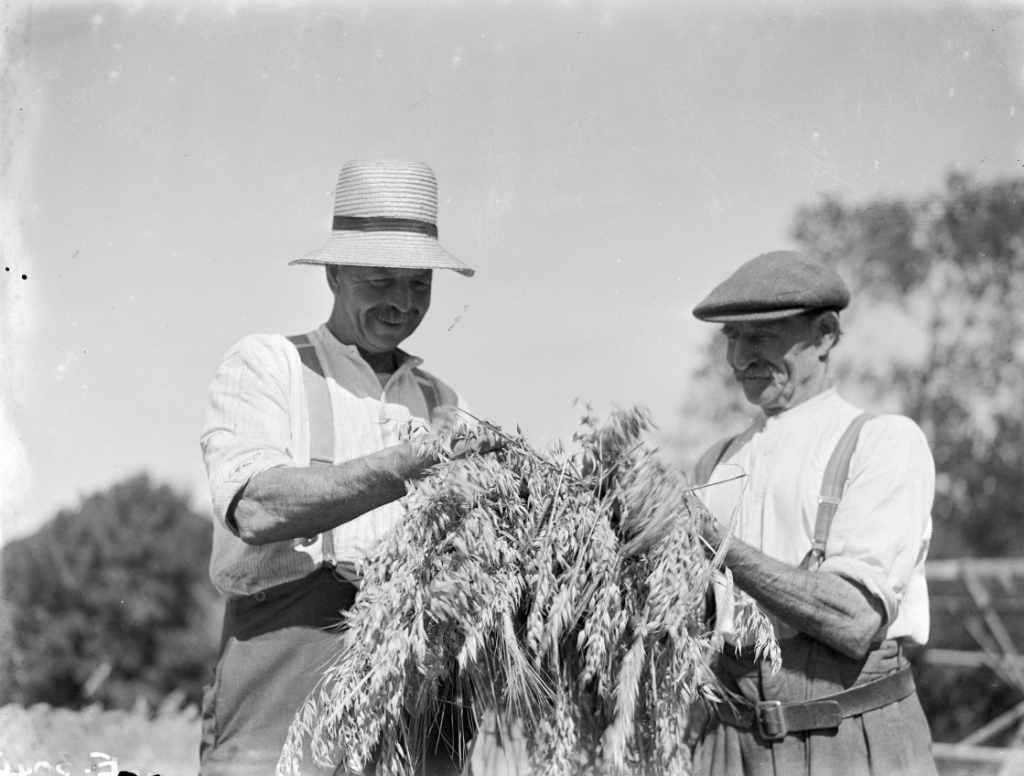
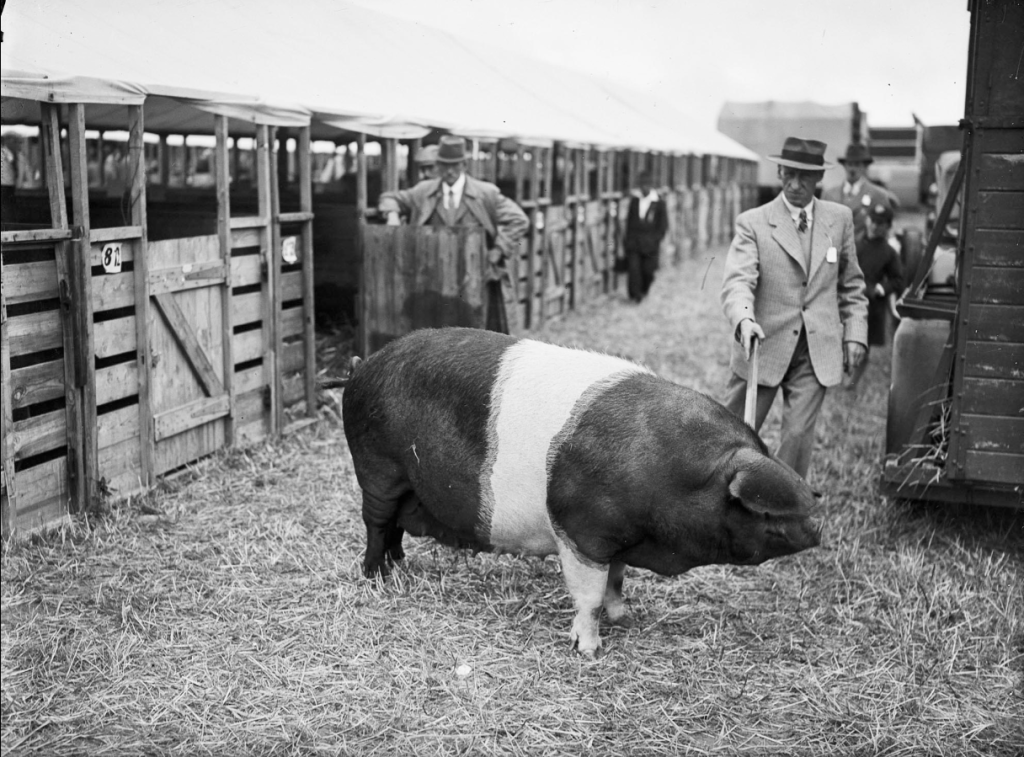
On Honey Street, artist Jack Tierney has created a powerful mural inspired by historic photographs from the George Ellis collection, held at Kresen Kernow.
Ellis, a Bodmin-based photographer, documented life across Cornwall from the 1930s to the 1970s – and this artwork weaves together those glimpses of everyday life into a contemporary collage.
Look closely and you’ll spot moments that defined the town: Land Girls heading out to work during the Second World War, community celebrations like Beating the Bounds, sporting triumphs, agricultural shows, and performances at St Petroc’s Church.
Each image captures a piece of Bodmin’s past, reimagined to sit in its present.
Here are some of the images that informed the mural:
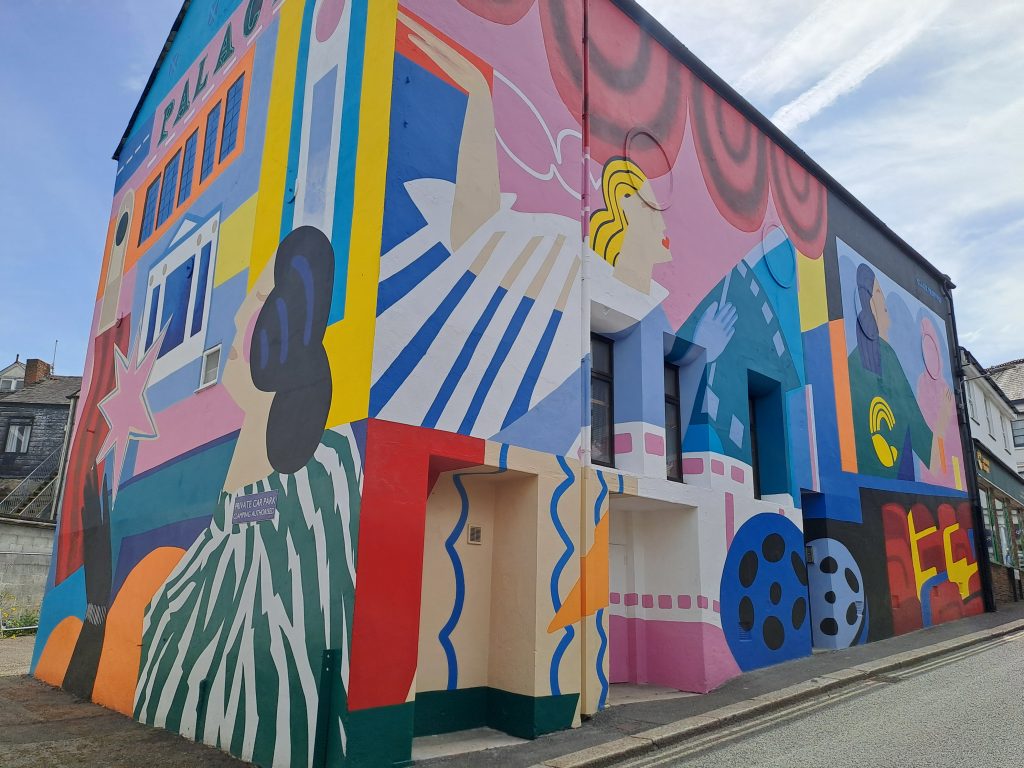
A cinematic past: Crockwell Street
On Crockwell Street, artist Claire Prouvost nods to Bodmin’s cultural history with a bold, cubist-inspired mural. Painted on the remaining walls of the former Palace Theatre – an art deco cinema – the piece plays with shape, colour and perspective to evoke the magic of the big screen.
The building’s original façade, long since demolished, is reimagined on the reverse side in a playful way, while stylised figures hint at the glamour and escapism of cinema’s golden age. It’s a striking tribute to a much-loved venue and a reminder of the town’s rich creative past.
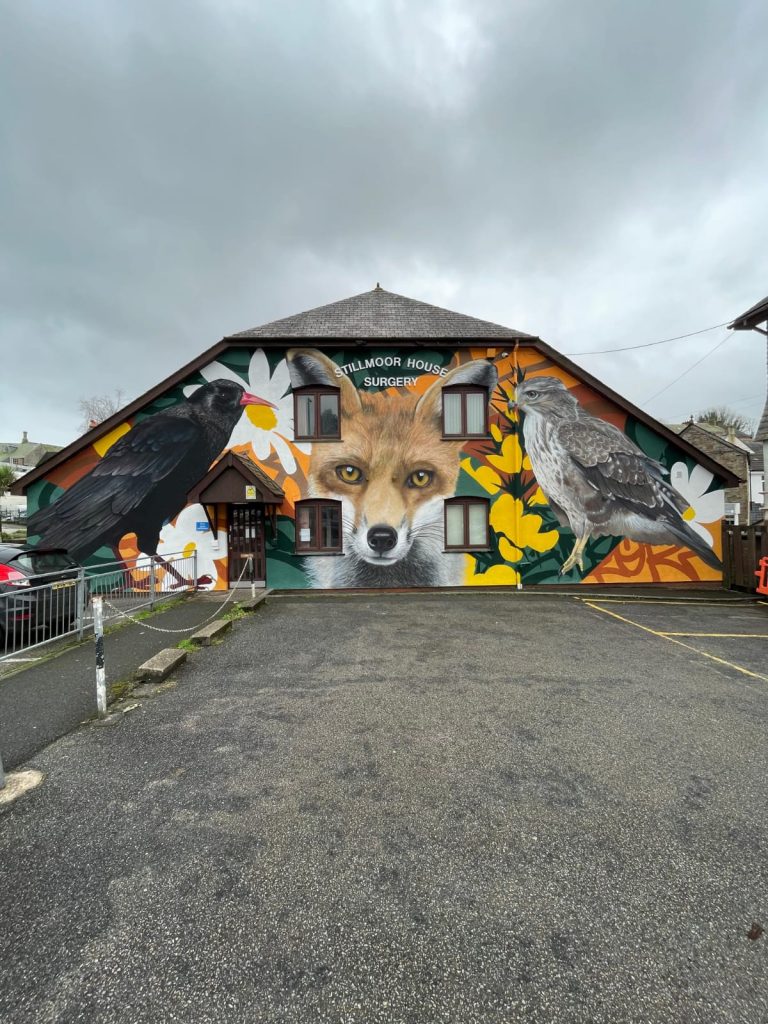
Nature up close: Dennison Road Car Park
At Dennison Road Car Park, Cornwall-based street artist Koe One brings the natural world into sharp focus. His photorealistic mural features some of Cornwall’s most iconic birdlife, including the much-loved Cornish chough, alongside a buzzard and fox.
Detailed and lifelike, the artwork offers a moment to pause and admire the wildlife that surrounds Bodmin.
Together, these murals create a trail through Bodmin that invites you to explore a little more slowly. Whether you’re discovering the town for the first time or seeing familiar streets in a new light, they offer a fresh way to connect with Bodmin’s stories of the past, present and natural.
Have you spotted the new murals? What did you think?
For one weekend each year, the ancient county town of Bodmin throws open its streets to a festival so old that even its origins are lost to time – and so vivid that it stops traffic, draws crowds, and conjures a medieval atmosphere like almost nothing else in the south-west.
Bodmin Riding & Heritage Festival takes place on the first weekend of July, and in 2026 that means the festivities kick off on Friday 3 July, with the heart of the celebration on Saturday 4 July.
The earliest written record of Bodmin Riding dates to 1469, when it appeared in the accounts for the rebuilding of Bodmin Parish Church. But even then, it was described as an established custom, suggesting its roots stretch back further still, possibly into the early medieval period.
At its heart, the festival commemorates one of the more dramatic episodes in Bodmin’s long history: the theft of the bones of St Petroc in 1177, when the relics of the town’s patron saint were spirited away to Brittany, before being recovered and triumphantly returned. The procession of St Petroc’s casket, which still survives in St Petroc’s Church, remains a central element of the festival to this day.
Nobody knows when or why Bodmin Riding began. It was an ancient event in 1469 — the first time it was recorded on paper.
Over the centuries, the festival grew to include sports and horseracing, Cornish wrestling, a grand ball, civic feasting, and the Riding Ale – a tradition of communal drinking that remains part of the weekend. The custom faded in the early 19th century, with the last traditional Riding thought to have been held around 1825 but was revived in 1974 and has since developed into the lively event it is today.

 What happens on the day
The weekend begins on the Friday evening with a shared feast – local food and drink, live music, and the ritual Riding Ale, gathering the community in anticipation of the celebrations ahead. On Saturday, the town centre closes to traffic and the streets come alive.
The traditional procession is one of the day’s highlights: led by Bodmin Town Band, with local children performing the furry dance to the centuries-old Riding Tune – a melody first recorded in 1770 under the title Captain Brown’s March.
Attendees are encouraged to come in medieval costume, and many do, lending the streets a fun and chaotic atmosphere. Alongside the procession, you’ll find craft stalls, local artisans and businesses, historical re-enactments, live music, and plenty of children’s activities. It’s a full day out for families and history enthusiasts alike.
No account of the Bodmin Riding festival is complete without mention of its most theatrical element – the Hunting and Trial of the Beast of Bodmin. The Beast, depicted as a large, shaggy, panther-like creature, is pursued through the town by hunters known as “helliers”, before being dramatically captured and put on trial outside the historic Shire Hall.
The Beast tradition links to real-life folklore – in the 1980s and 1990s, Bodmin Moor was the site of numerous reported sightings of a large wild cat, and the legend has never quite gone away. The festival’s mock trial gives it a suitably Cornish twist, part street theatre, part ancient ritual, and very memorable.
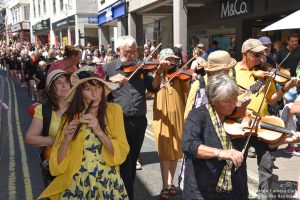
Beyond the spectacle, Bodmin Riding is something rarer – a genuinely community-owned festival, run by local volunteers and shaped by local people. It commemorates not just the bones of St Petroc, but also the Cornish Prayer Book Rebellion of 1549 – when Cornish men and women took up arms to defend their language and religious traditions – and the hanging of Mayor Nicholas Bowyer, a figure woven into the town’s civic memory.
Like Padstow’s famous May Day celebrations, Bodmin Riding is a reminder that Cornwall has a living tradition of festival culture stretching back centuries – one that belongs to the people who take part in it.
With thanks to the Bodmin Camera Club for the images from the 2019 festival.
One of Cornwall’s best-loved visitor attractions invited locals, families and railway enthusiasts to join a special anniversary event celebrating four decades of preserved steam on the historic Bodmin branch line.
Bodmin Railway celebrated a milestone 40th anniversary with a special celebration event on Sunday 31 May 2026, marking four decades since the first authorised train movements of the preservation era took place at Bodmin General Station in 1986.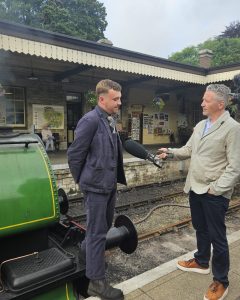
The anniversary celebration brought together live music, heritage vehicles and the timeless spectacle of working steam, offering visitors of all ages the chance to mark a moment in Cornish railway history.
A Line Rooted in Cornwall’s History
The story of the Bodmin branch line stretches back almost two centuries. The Bodmin & Wadebridge Railway first opened in 1834 and was one of the very first in the world to use steam, initially transporting minerals and agricultural sea sand. The line that visitors travel today — between Bodmin Parkway and Boscarne Junction via Bodmin General — has its roots in the 1887 opening of the Bodmin Road (now Bodmin Parkway) to Bodmin section, followed by the extension to Boscarne Junction in 1888.
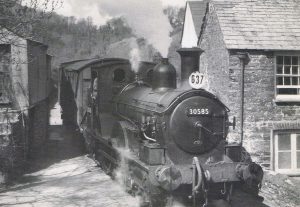
For much of the twentieth century, the line played a vital role in Cornwall’s China Clay industry. Steam hauled passenger trains between Padstow and Bodmin ended in 1963, while freight traffic continued running between Bodmin Road and Wadebridge until 1978, and the china clay trains kept the line to Wenfordbridge alive until complete closure in 1983. It was the determination of local volunteers that would change everything.
The Bodmin Railway Preservation Society was formed in 1984, and the first Open Day — featuring shunting demonstrations by a small steam locomotive at Bodmin General Station — took place on Sunday 1 June 1986. Those first movements marked the beginning of a remarkable chapter. Regular services between Bodmin Parkway and Bodmin General were restored in 1990, with the line extended back to Boscarne Junction in 1996. Today, Bodmin Railway operates over 6½ miles of heritage track, firmly establishing itself as one of the country’s finest steam railways.
The 40th anniversary celebration on Sunday 31 May was a day of entertainment, nostalgia and community spirit. Highlights included:
Onboard and platform performances by the award winning Loveny Male Voice Choir
Meet & greets with Richard Trevithick actors celebrating the Cornish pioneer of steam
A display of vintage cars alongside the heritage locomotives and carriages
Indian Queens Brass Band
A special Rover Ticket allowing unlimited hop-on, hop-off travel throughout the day
Visitors were able to explore the charming Victorian station at Bodmin General, visit the Wagon Bar and station café serving local coffee, Cornish pasties, cream teas and more, and take the opportunity to chat with the knowledgeable team of volunteers who keep this remarkable railway running.
And BBC Spotlight came along to cover the event! With thanks to Bodmin Railway for the photos used in this article.
“We are incredibly proud to play our part in preserving the legacy of this incredible line that played such an important role in Cornwall’s history, keeping it alive for future generations. This promises to be a fantastic day for enthusiasts, locals and visitors alike.”
Chris Hatton, Operations Manager, Bodmin Railway
A new tourism campaign has been launched to position Bodmin as one of Cornwall’s most distinctive destinations – marking the culmination of a year-long collaboration between local partners, businesses and community organisations.
The campaign, More to Bodmin, introduces a bold new destination identity for the town – one that invites visitors to discover a place that reveals more the deeper you explore.
The campaign represents the creation of a new tourism body for Bodmin, bringing together partners under a shared vision to raise the town’s profile, encourage longer stays and connect visitors with a wider range of experiences.
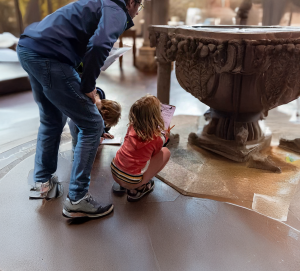 Importantly, a major aim of the project is also to celebrate a sense of local pride and community amongst those living in Bodmin – a town full of residents fully aware of how special their stories and spaces really are, and happy to share those secrets.
Launched in early April, the campaign is supported by a new website alongside an outdoor and print media campaign, designed to reach new audiences and inspire visits throughout the year.
The campaign shines a light on the many layers that make Bodmin unique. Visitors are invited to experience history you can touch, from the atmospheric stories of Bodmin Jail and Railway to the rich collections held at Bodmin Keep and the Town Museum. Alongside this, wild landscapes within easy reach offer space to explore, with the Camel Trail, Cardinham Woods and surrounding moorland providing opportunities for adventure, wellbeing and discovery.
At the centre of Bodmin’s offer is its people. The campaign celebrates a town that is loved by its community, where markets, events and everyday moments create a warm and authentic sense of place. This is complemented by a programme of culture in motion, from festivals and performances to creative spaces like The Beat and intoBodmin. People can get hands-on with interactive experiences at science museum Discovering42 and get creative with workshops at Bodmin Gallery.
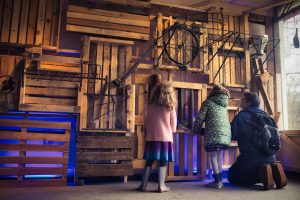
Bringing everything together is a focus on connected discoveries – encouraging visitors to move between experiences, uncover hidden corners and build their own journeys through Bodmin’s stories, landscapes and communities.
Councillor Leigh Frost, Councillor for Bodmin St Petroc and Leader of Cornwall Council Cabinet says “Bodmin has always been a place of remarkable stories, rich character and warm community spirit. What’s exciting about the More to Bodmin campaign is that it brings all of this together in a way that truly reflects who we are. It shines a light on the heritage, landscapes and creativity that make our town special, while celebrating the people who give Bodmin its heart.”
Developed collaboratively with a wide range of local stakeholders, the campaign provides businesses and organisations with a shared platform, tools and messaging to amplify their own offer while contributing to a stronger overall destination.
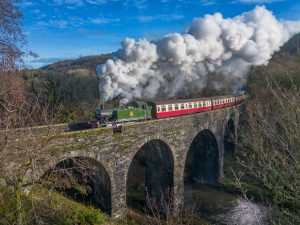 Over the past year, a group of dedicated individuals and organisations have formed a new tourism committee for the town. Partners include Bodmin Gallery, Bodmin Jail, Bodmin Keep, Bodmin Railway, Bodmin Town Council, Bodmin Town Museum, Cardinham Woods, Discovering42, intoBodmin, National Trust’s Lanhydrock and St Petroc’s Church.
Working with Cornwall Council’s Experience project, which has funded the new campaign and will continue to support the town to establish the tourism body over the next 12 months, their aim is to set up a plan to keep the town front of mind those looking for things to do – whether that’s the holiday market, residents of Cornwall and the community of Bodmin.
As the campaign rolls out over the next few weeks, visitors will be encouraged to look beyond the expected – uncovering stories, experiences and connections that reveal there is always more to Bodmin.