
Bodmin takes pride in its warm welcome – for people and pets. So, if you’re exploring with your dog, you’ll find plenty for everyone to enjoy.
Its central location makes Bodmin an ideal destination for dog-friendly holidays. Moorland, woodland and parkland are all here in abundance, while Cornwall’s coasts are just a short journey away. For dogs, this means wide open spaces, inclusive attractions, and a huge range of outdoor activities.
Of course, not every venue is able to accommodate dogs, so to help things along, we’ve curated a guide to some of the best dog-friendly activities and attractions – forming a useful starting point for your travels.
When it comes to discovering new places, dogs win every time. So, while you’re out breaking new ground or learning more, let them join in the fun. Several of our local attractions are dog-friendly, such as Bodmin Keep, Bodmin Nursery and Bodmin Town Museum. At Bodmin Railway, they’ll even get their own ticket.
Other sites are happy to welcome dogs in certain areas. At Bodmin Jail, dogs can join you in the courtyard, Moor Café and gift shop, but not in the museum (where noises and sudden movements might scare them). Pencarrow, the atmospheric home of the Molesworth-St Aubyn family, is limited to assistance dogs in the house itself, but offers 50 acres of dog-friendly gardens and woodland for pets to enjoy.
It’s also handy to know that dogs can travel on Cornwall’s train lines, so if you’re heading out for the day by rail, they’re able to come along too.
Lots of Bodmin’s pubs, cafes and coffee shops throw open their doors to dogs (so if you have a specific venue in mind, do check in advance). Among them are the Woods Café in Cardinham Woods; the St Kew Inn, just outside Bodmin; and the Borough Arms and Snail’s Pace Café, which are both on the Camel Trail.
Perched atop Bodmin Moor, Jamaica Inn has all the atmosphere of an old coaching point. Dogs can eat with their owners in the bar before heading off to roam around the on-site smugglers’ museum or take a walk on the moor.
Of course, we can’t forget the walkies. This is where Bodmin really comes into its own. The extent and variety of our surrounding landscape mean a wealth of shared adventures. Here, you can stride out on the flat, car-free Camel Trail, run wild in Cardinham Woods, or let your dog lead the way through the Lanhydrock estate.
Bodmin’s great outdoors also encompasses the vast beauty of its moors – and this rough, rugged landscape has sights and smells to please the most discerning of dogs. Well-known walking routes include Rough Tor and Brown Willy, where you can tick off Cornwall’s two highest peaks. In nearby Blisland, Lavethan Wood is a popular spot for locals, with the potential for a looping walk through the village too.
Or, to take in several stops at once, check out The Bodmin Way. This scenic circuit leads from one historic church to another, passing through Bodmin’s town and countryside. The churches themselves are usually dog friendly, meaning you can pause at each waypoint to rest and look around. The whole trail extends across 21 miles, but you could walk shorter sections as circular routes, or hop on a bus back when you’re done. We’ve also created our very own trails exploring Bodmin’s town centre and historic holy wells, so you can take a dog-friendly dive into our fascinating timeline.
If you’re staying for a while, make Bodmin your base for other dog-friendly outings. Nearby, the National Lobster Hatchery, Lost Gardens of Heligan, and Pinetum Gardens all admit dogs, so you’ll find lots to do in the local area.
Where the River Camel winds through the heart of Cornwall, you’ll find the Camel Trail: just over 18 miles of flat, traffic-free discovery.
It’s no surprise that exploring the Camel Trail is one of Cornwall’s best-loved outdoor activities. Passing along woodland, marshland and riverbanks, it provides a rare chance to take in swathes of uninterrupted scenery.
The trail follows the footprint of an old railway line, which explains its flat, firm surface – making it perfect for bikes, horses, wheelchairs, scooters, and wandering feet. One of its starting points is right here in Bodmin, on Scarletts Well Road (just along from Bodmin Jail).
From Bodmin, you’re spoilt for choice: ours is the only location with two routes to try out. You can head towards Wadebridge (which leads on to Padstow), or take the former branch line to Wenford Bridge (with the potential to veer off track and explore nearby Bodmin Moor).
This section covers 6.7 miles (10.8km), taking in tree-lined avenues, patches of woodland, and riverside pathways. For a breather, you could stop off at the Camel Valley Vineyard or Camel Trail Tea Garden. If you go as far as Wadebridge, you’ll find local shops and cafes to browse while you’re there.
Or head out from Bodmin to Wenford Bridge, tracing the River Camel back towards its source on Bodmin Moor. This stretch spans 6.3 miles (10.1km), while adding in a medieval bridge, evocative industrial ruins and established woodland. At Wenford Bridge, the off-grid Snail’s Pace Café becomes your handy rest and refuel point.
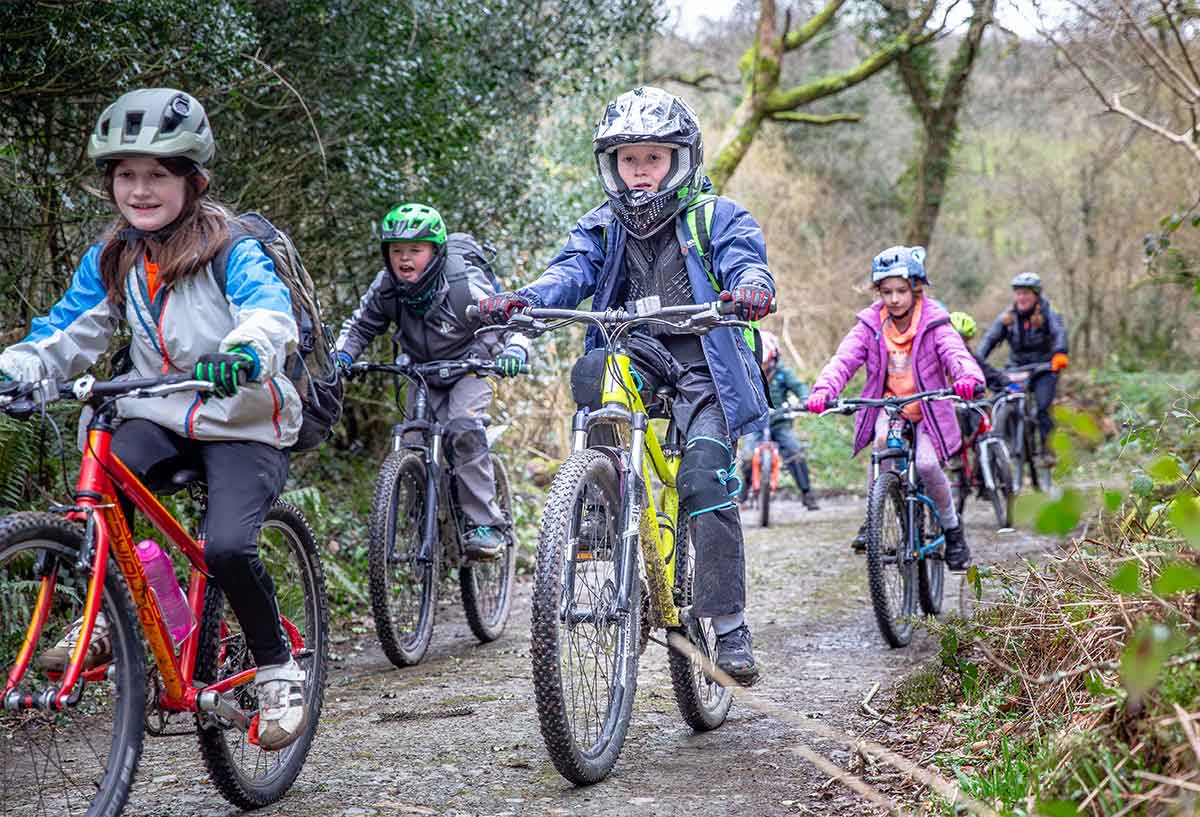
Whatever your age or abilities, the Camel Trail is the perfect way to get out and hit your stride. Go on foot, choosing a stretch that suits you; tick off the trail section by section; or hop on a bike and breeze through the scenery. If you don’t have wheels with you, there are lots of local providers offering cycle hire, including Explore by Bike, here in Bodmin, and Camel Trail Cycle Hire in Wadebridge.
With a lively collection of landscapes, the Camel Trail is a great route for wildlife watching. At the Camel Estuary near Padstow, you can often spot birds like oystercatchers, sanderlings and herons. And, if you’re (very) lucky, you might catch a rare glimpse of resident otters.
Built in 1899, the Iron Bridge arches across Little Petherick Creek, between Wadebridge and Padstow. It’s a popular spot to pause in for photos, or to linger and enjoy the waterside views.
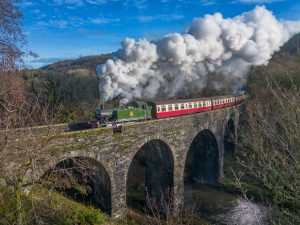
Because it follows a reclaimed train line, the Camel Trail includes interesting echoes of its railway age. As you travel, look out for former stations and railway buildings. Depending on timetables, you may even spot steam trains passing along the Bodmin Railway.
If you’d like to know more, you can check out maps, overviews and parking information on the Camel Trail website.
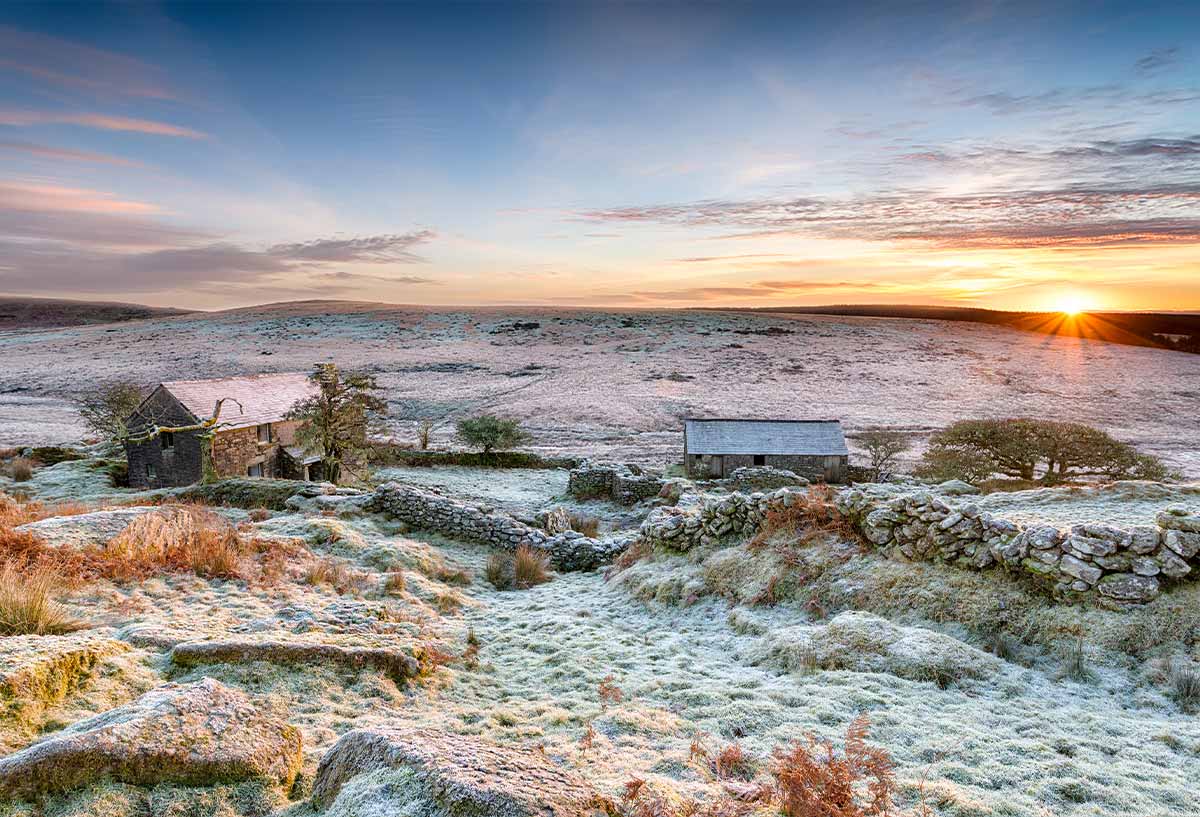
Vast and rugged, Bodmin Moor is one of Cornwall’s greatest natural wonders. This landscape of granite-peaked grass and heather is an endless source of inspiration and activity.
Bodmin Moor claims the largest section of the Cornwall National Landscape, a patchwork of areas known for their outstanding natural beauty. It’s a place of wild variety, with towering granite tors, hidden marshland valleys, and miles of immense moorland.
Here, it’s easy to gain perspective. On Bodmin Moor, you can climb Cornwall’s highest point, Brown Willy, which offers spectacular panoramic views as a reward to those who reach the top. Centuries fold back as you roam among neolithic monuments and medieval settlements. And at night, in this designated you can discover the ideal arena for stargazing.
Rising from the bedrock of Bodmin Moor, Rough Tor and Brown Willy are its two highest peaks. Set out with sturdy footwear to conquer one or both – they’re nicely close together, making this a good half-day exploration (around five miles) if you build in picnic stops at the summits.
With a history stretching all the way back to neolithic times, The Hurlers encompass three of the southwest’s most notable stone circles. Their story is curious and legendary: in folklore, the stones are said to be local people punished for playing the game of hurling on a Sunday.
At over 700 acres, this nature reserve managed by Cornwall Wildlife Trust is home to a complex mosaic of habitats, including heathland, mire, scrubland, bog, ancient woodland, wet woodland, and acid grassland. Explore this rugged landscape by following the 8-mile (13 km) wilderness trail around the heart of the reserve.
Lying deep in the age of myth and mysticism, Dozmary Pool has long-standing associations with King Arthur, Excalibur and the Lady of the Lake. Other tales describe the punishment of poor Jan Tregeagle, doomed to eternally empty the pool with a limpet shell.
The Cheesewring crowns Stowes Hill on the moor’s south side. It was once described by writer Wilkie Collins as “a great pile of stones”, and he was right – but it’s entirely natural in origin. Its stack-like appearance was created by erosion, and named after the process of pressing apples into “cheeses”.
Bodmin Moor enfolds wide areas of land peppered with hamlets, villages and towns – rich in potential for pub lunches and café pit-stops. Historic Jamaica Inn sits high on the moor, making it a natural waypoint for weary wanderers. And, if you’re off in the direction of Cardinham Woods, the Woods Café is a tranquil hidden gem.
Bodmin Moor is a rough, rugged landscape, with areas that are exposed to the elements and wet underfoot. To be ready for anything, we suggest packing sensible footwear, a water bottle, and either waterproof coats or sun cream and hats (depending on the season).
It’s easily reached by car on the A30, which cuts across the moor itself. If you’re travelling by public transport, the nearest train stations are Bodmin Parkway and Liskeard. From there, local bus services run to villages around the moor, though services can be infrequent, so it’s worth checking timetables in advance. If you’re driving, you’ll find several car parks dotted around at popular spots like Jamaica Inn and Minions.
Bodmin’s Beacon is a natural haven for all – from adventuring families to native wildlife. Local residents have walked, talked and played here for at least 200 years. This granite-studded ground has hosted Cornish wrestling tournaments and wartime armies, but today the atmosphere is more tranquil. Now a nature reserve, it’s carefully tended to encourage a huge range of settled species.
Across the Beacon’s 87 acres, there’s a rich diversity of areas. You’ll find woodland, heathland and wildlife meadows, as well as a picnic field and “bird delis”: fields especially planted with crops to feed birds throughout the year. While exploring, you might also come across Bodmin’s community woodland, populated with 30,000 trees. Or, head up to the monument and marvel at its spectacular views.
Each season breathes new life and interest – dormant wildlife wakes and plant species spring into action. So, while you’re here, see what you can spot.
In spring and summer, birdsong provides the soundtrack, with many different species stopping by. An abundance of wildflowers tempts bees and butterflies, while thriving insect numbers support resident bat colonies. And, throughout the year, you’ll see pops of colour, courtesy of the Beacon’s plant life; from pink butterfly fungi and purple heather to bright yellow gorse.
Planning a visit? We’ve collected the key details to help you plan ahead.
From Fore Street car park, you can cut through the Burgage Plots. Walk along Meadow Place, up Beacon Hill and Robartes Road, and past Beacon Academy. Cross the road onto Beacon Road, and walk up to the car park entrance.
With so many routes to explore, dogs are guaranteed a good time at the Beacon. But, because there’s so much wildlife at home here, we suggest keeping them on short leads near any farm animals or nesting birds.
The reserve features graveled and tarmacked paths, but some of its most intriguing hidden corners are off the beaten track. Depending on the season, some sections can be muddy underfoot, so it’s best to be prepared with practical footwear.
Set yourself up for a night out with a difference. Beneath nature’s very own lightshow, you can gaze, wonder, and look upwards with fresh eyes.
On the clearest nights, dark skies aren’t dark at all. Step out, let your eyes adjust, and you’ll see there’s a scatter of stars lighting up the sky. Depending on where you are, you might spot just a few – or you may revel in thousands.
Across the globe, a small number of areas have become designated Dark Sky Places. This means they’re officially certified and conserved as dark sky areas, protected from light pollution. For stargazers, this equals clearer skies, better views, and seriously awe-inspiring experiences.
Bodmin is home to one of just seven Dark Sky Parks in the UK: in 2017, Bodmin Moor became a recognised site for dark skies. Its traditional farming character and National Landscape status mean it’s been set apart from intensive development and excessive lighting.
So, if you’re exploring the moor during the day, you may want to head back out when the sun sets. There’s a whole universe just waiting to unfold.
A stargazer’s guide to Bodmin Moor
After a busy day, stargazing is a blissfully “slow” activity. Action gives way to gentle watching and waiting. Best of all, this is something everyone can get on board with. For younger children, there’s the excitement of being out after dark, scouring the skies for the brightest stars or well-known constellations. For adults, it’s a chance to feel the undeniable pull of connecting with something so vast.
By night, spectacular views can be found almost anywhere on Bodmin Moor. However, darkness is a given in this rough and wild landscape, so we’d recommend staying close to your car (and each other) – there’s no need to go far. Car parks at Siblyback Lake, Colliford Lake, and The Hurlers are all good spots to try. If you do walk onto the moor, be sure to wear sensible footwear as the terrain is rugged and often wet.
The best conditions for stargazing are clear skies and ideally a new moon: the brighter the moon, the harder it is to see celestial bodies. Bring equipment if you have it, but in a Dark Sky Park, telescopes are optional. The dark conditions mean you can see the Milky Way, major constellations, and planets like Venus, Jupiter and Mars with the naked eye.
Other things you might need include:
It’s not just stars you can gaze upon in Dark Sky Parks. A large focus of dark skies education actually relates to conservation. And in a place like Bodmin Moor, it’s easy to see this care in action.
Here, with light levels protected, nocturnal wildlife can thrive. In the darkness, ecosystems find their natural rhythm based on the sun’s rise and fall. For us, this means owls, bats, badgers and foxes (as well as the elusive polecat) can live as nature intended. So, while you’re out spotting stars, you’ll be sharing the nighttime canopy with a range of other creatures, too.
International Dark Sky Week
Every year, International Dark Sky Week celebrates the beauty of dark nights. In 2026, it falls on 13–20 April, making this a perfect time to get involved with raising awareness, joining events, or just venturing out to appreciate the sky in all its natural majesty.
A new tourism campaign has been launched to position Bodmin as one of Cornwall’s most distinctive destinations – marking the culmination of a year-long collaboration between local partners, businesses and community organisations.
The campaign, More to Bodmin, introduces a bold new destination identity for the town – one that invites visitors to discover a place that reveals more the deeper you explore.
The campaign represents the creation of a new tourism body for Bodmin, bringing together partners under a shared vision to raise the town’s profile, encourage longer stays and connect visitors with a wider range of experiences.
 Importantly, a major aim of the project is also to celebrate a sense of local pride and community amongst those living in Bodmin – a town full of residents fully aware of how special their stories and spaces really are, and happy to share those secrets.
Launched in early April, the campaign is supported by a new website alongside an outdoor and print media campaign, designed to reach new audiences and inspire visits throughout the year.
The campaign shines a light on the many layers that make Bodmin unique. Visitors are invited to experience history you can touch, from the atmospheric stories of Bodmin Jail and Railway to the rich collections held at Bodmin Keep and the Town Museum. Alongside this, wild landscapes within easy reach offer space to explore, with the Camel Trail, Cardinham Woods and surrounding moorland providing opportunities for adventure, wellbeing and discovery.
At the centre of Bodmin’s offer is its people. The campaign celebrates a town that is loved by its community, where markets, events and everyday moments create a warm and authentic sense of place. This is complemented by a programme of culture in motion, from festivals and performances to creative spaces like The Beat and intoBodmin. People can get hands-on with interactive experiences at science museum Discovering42 and get creative with workshops at Bodmin Gallery.
Bringing everything together is a focus on connected discoveries – encouraging visitors to move between experiences, uncover hidden corners and build their own journeys through Bodmin’s stories, landscapes and communities.
Councillor Leigh Frost, Councillor for Bodmin St Petroc and Leader of Cornwall Council Cabinet says “Bodmin has always been a place of remarkable stories, rich character and warm community spirit. What’s exciting about the More to Bodmin campaign is that it brings all of this together in a way that truly reflects who we are. It shines a light on the heritage, landscapes and creativity that make our town special, while celebrating the people who give Bodmin its heart.”
Developed collaboratively with a wide range of local stakeholders, the campaign provides businesses and organisations with a shared platform, tools and messaging to amplify their own offer while contributing to a stronger overall destination.
 Over the past year, a group of dedicated individuals and organisations have formed a new tourism committee for the town. Partners include Bodmin Gallery, Bodmin Jail, Bodmin Keep, Bodmin Railway, Bodmin Town Council, Bodmin Town Museum, Cardinham Woods, Discovering42, intoBodmin, National Trust’s Lanhydrock and St Petroc’s Church.
Working with Cornwall Council’s Experience project, which has funded the new campaign and will continue to support the town to establish the tourism body over the next 12 months, their aim is to set up a plan to keep the town front of mind those looking for things to do – whether that’s the holiday market, residents of Cornwall and the community of Bodmin.
As the campaign rolls out over the next few weeks, visitors will be encouraged to look beyond the expected – uncovering stories, experiences and connections that reveal there is always more to Bodmin.